
Our Location
Main Boulevard Phase 01 DHA Lahore

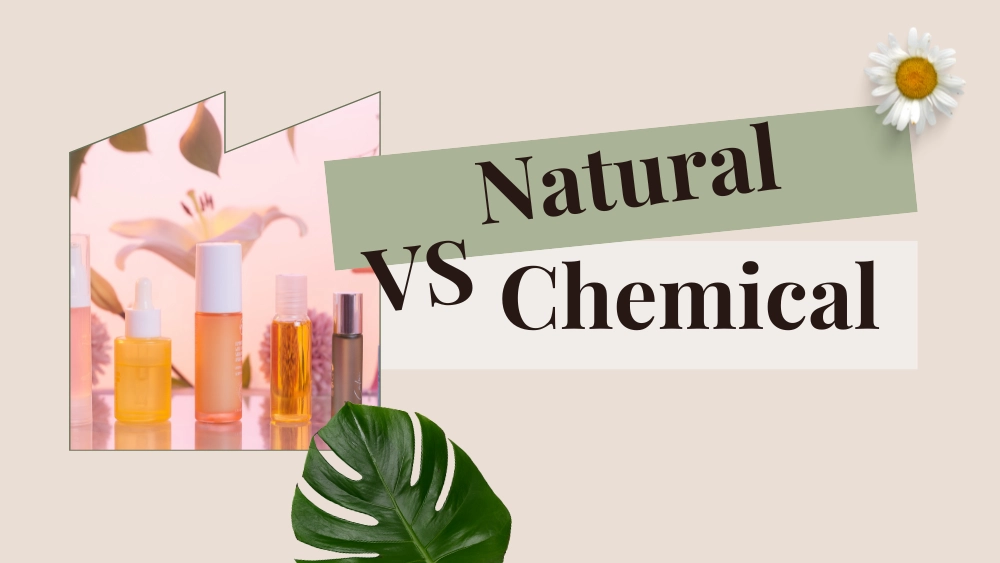
The debate around natural vs chemical skincare has become one of the most confusing topics in the beauty industry. One side promotes plant based formulas as safer and healthier. The other relies on lab tested ingredients backed by science and clinical research.
As a result, many people feel stuck. They want better skin, but they do not know which approach is actually right for them. The answer is simple, there is no one size fits all answer. To understand what works best, we need to clearly define what natural skincare is, what chemical skincare actually means, and how both perform in real world use.

Natural skincare products are made using ingredients derived from natural sources such as plants, minerals, and botanical extracts. These products usually avoid synthetic fragrances, artificial colors, and lab created actives. Common natural skincare ingredients include plant oils, herbal extracts, clays, natural butters, and essential oils. The main idea behind natural skincare is minimal processing and closer alignment with nature. Many people choose it because they believe natural ingredients are gentler and safer for the skin.
Natural skincare can be a good option in certain situations. It is often well tolerated by people with mildly sensitive skin, especially when formulas are simple and fragrance free. Natural oils and extracts can help maintain the skin barrier, support hydration, and improve overall skin comfort. Natural skincare is also commonly chosen by people who prefer eco-conscious beauty, cruelty-free formulations, or minimal ingredient lists. For basic skincare needs such as cleansing, moisturizing, and skin maintenance, natural products can work effectively.
Despite popular belief, natural does not automatically mean safe or better. Many natural ingredients can trigger irritation, allergies, or sensitivity. Essential oils, citrus extracts, and strong botanical actives are common causes of redness and reactions. Another challenge is stability. Natural products often rely on weaker preservatives, which can lead to shorter shelf life and higher risk of contamination if not formulated correctly. Natural skincare also tends to deliver slower results. For concerns like acne, pigmentation, or aging, natural ingredients may not be potent enough to create noticeable change on their own.
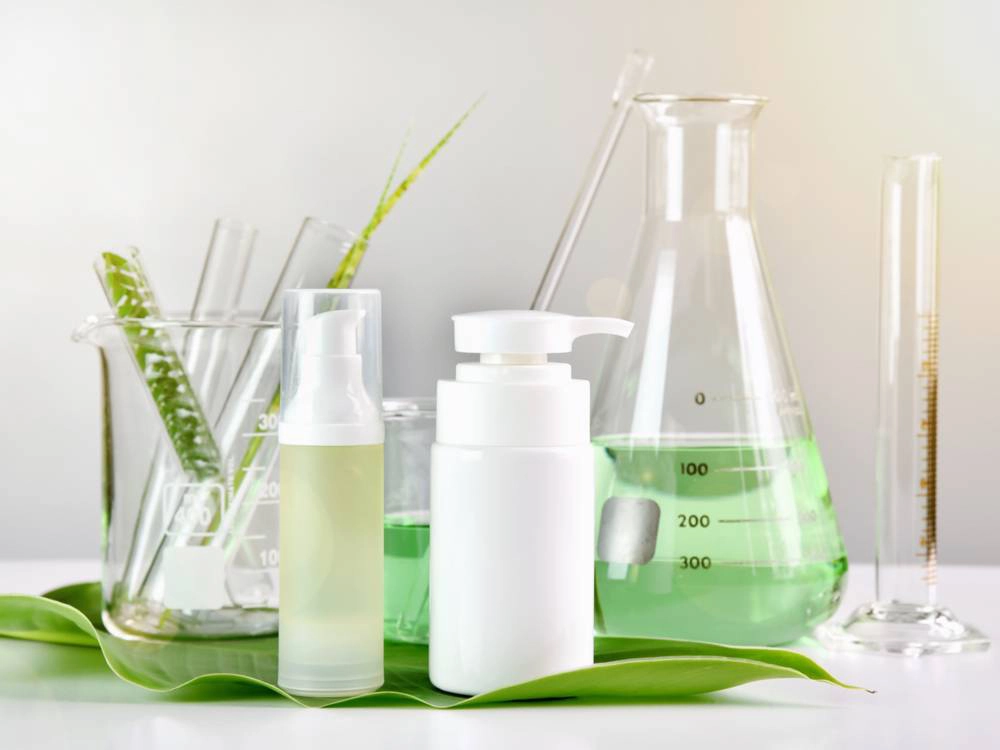
Chemical skincare refers to products that use lab developed or synthesized ingredients designed to target specific skin concerns. These ingredients are formulated with precise concentrations and tested for stability, safety, and effectiveness. Examples include salicylic acid, niacinamide, retinoids, hyaluronic acid, and chemical exfoliants. The word chemical often creates fear, but it is important to understand that everything, including water and plant extracts, is technically a chemical. In skincare, chemical simply means scientifically formulated.
Chemical skincare excels when it comes to targeted treatment. Ingredients are designed to penetrate the skin at controlled levels and deliver predictable results. This makes chemical skincare especially effective for acne, hyperpigmentation, uneven texture, fine lines, and signs of aging. Another advantage is consistency. Because these ingredients are standardized and tested, results are more measurable and reliable over time. Chemical skincare products are also generally more stable, meaning they last longer and maintain effectiveness throughout their shelf life.
Chemical skincare is powerful, and that power requires proper use. Overuse or incorrect combinations can lead to irritation, dryness, or damage to the skin barrier. Strong actives like acids and retinoids need to be introduced gradually and used with care. Some people with highly sensitive skin may struggle with certain chemical ingredients, especially if formulas are poorly designed or used without guidance.
The better option depends entirely on your skin type, concerns, and goals. If your skin is generally healthy, and you want to maintain hydration and comfort, natural skincare can be enough. If you are dealing with acne, pigmentation, early aging, or texture issues, chemical skincare is often more effective and faster acting. In reality, the most effective routines are not strictly natural or strictly chemical. They combine both. A gentle cleanser with natural ingredients, paired with a clinically proven serum, followed by a simple moisturizer, is often the most balanced approach.
Modern skincare is moving away from extremes. Natural ingredients bring nourishment and barrier support. Chemical ingredients bring precision and results. When used together correctly, they complement each other rather than compete. The key is not choosing sides, but choosing formulas that suit your skin and are backed by proper formulation, testing, and responsible use.
Natural vs chemical skincare is not about good versus bad. It is about understanding what your skin actually needs. Natural skincare works well for maintenance, simplicity, and mild sensitivity. Chemical skincare works best for correction, treatment, and visible results. The smartest approach is informed choice, not fear based decisions.
Read labels. Understand ingredients. Introduce products slowly. And remember, healthy skin comes from consistency, not marketing claims.
