
Our Location
Main Boulevard Phase 01 DHA Lahore

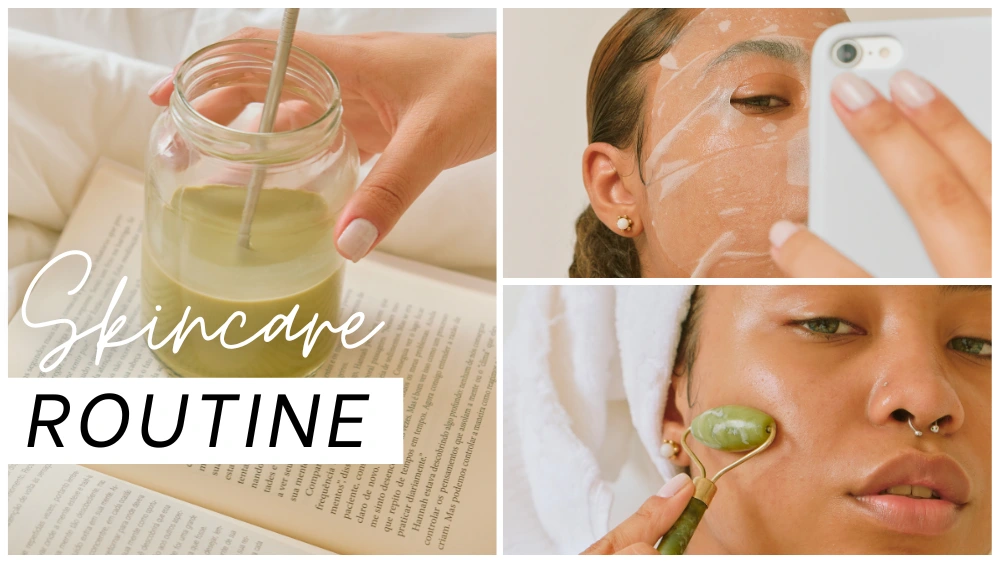
Look, just like when winter comes we change our dressing style, like wearing sweaters or jackets, we also need to change our skincare routine for winter. I mean, the face wash or moisturizer you were using in summers was perfect for that weather, but if you use the same thing in winters, it might make your skin dry, rough, or even irritated.
And yaar, the people who still use soap on their face? Their skin is literally going to crack in winters. So the simple thing is, winter skincare requires extra care. Whether your skin is dry, oily, or acne-prone, everyone needs a different routine and different products.
So in this article, I’m going to break down a simple, science-based winter skincare routine, step by step, and explain how to adjust it for your skin type.

The first and most important step in any winter skincare routine is cleansing. Look, the most common mistake people make in winters is using harsh foaming face washes. These face washes strip your skin of its natural oils. And when oil production is already low in winter, this just leads to tightness and dryness.
Here’s the deal:
Basically, cleansing is about cleaning without stripping your skin in winter.

Exfoliation means removing dead skin cells that build up on your skin. Now in winter, this step becomes even more important because cold air and dry weather make the top layer of skin stick and dry, and new skin cannot come out. This also makes it harder for your moisturizer to absorb properly.
So exfoliation basically refreshes your skin, removes the dead layer, and makes it smooth and soft.
Pro Tip: Exfoliate only once or twice a week and always follow up with moisturizer.

Moisturizer is the step you cannot skip. It basically creates a protective layer on your skin, locks in hydration, and keeps dryness away. If you skip moisturizer, no matter how good your cleanser is or how well you exfoliate, your skin will look dull, tight, and rough.
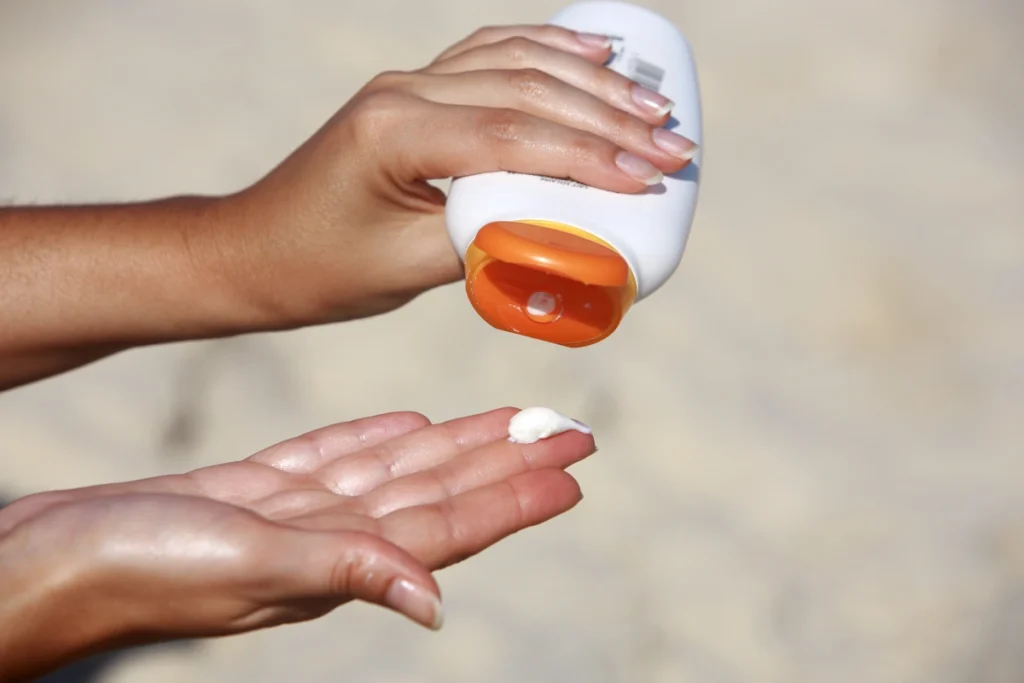
Many people think sunscreen is only needed in summers. But the truth is, UV rays are still 80–90% active in winter. Daily sunscreen prevents tanning, wrinkles, and darkening of acne scars.
Even indoor exposure matters—phones, laptops, and windows emit blue light that can damage skin.
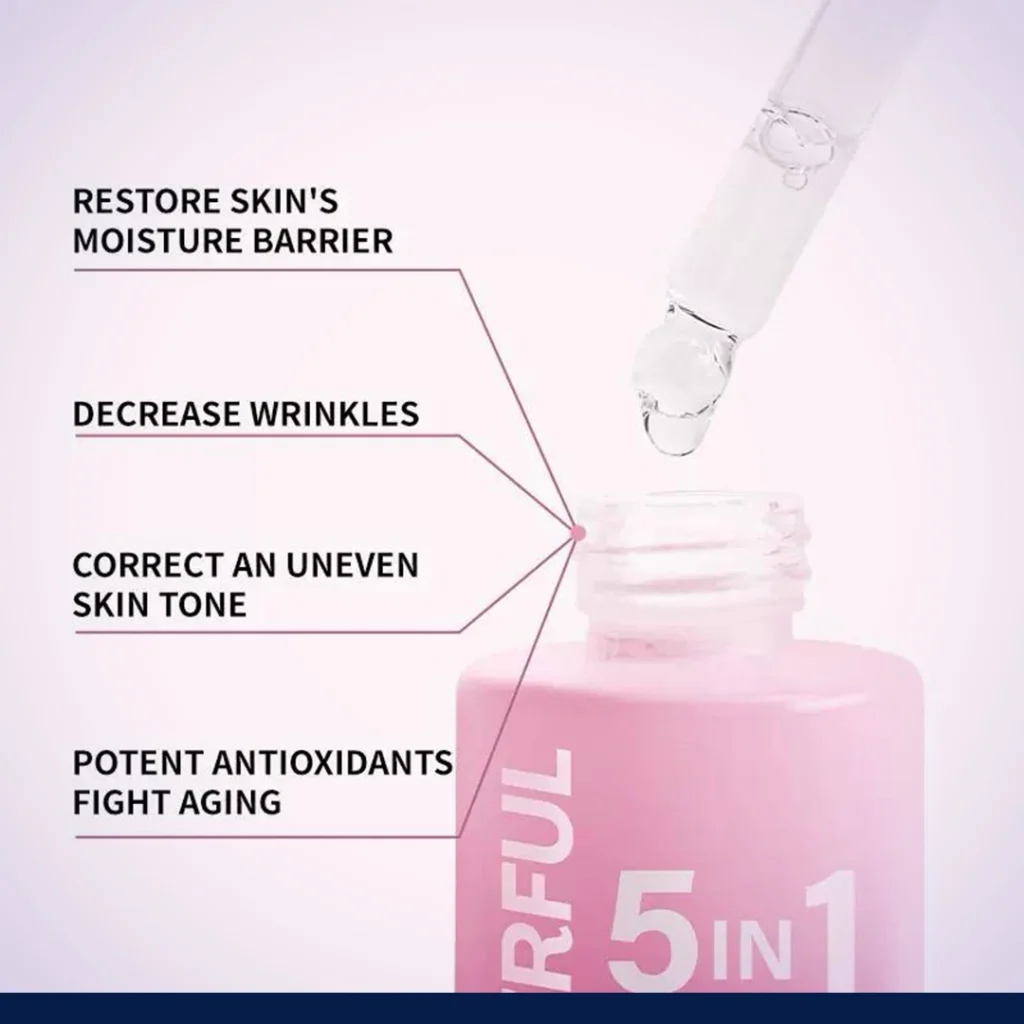
If you have specific skin issues like acne, pigmentation, or dryness, face serums are a big help. Serums are lightweight liquids that penetrate deep into the skin to target problems directly.
Winter doesn’t just affect your face, lips, neck, hands, and feet also get dry.
If you’re wondering, what ingredients are best for winter skincare?, look for:
These ingredients help maintain hydration, strengthen the skin barrier, and prevent winter dryness without causing breakouts.
So, how to change skincare routine for winter? Here’s the simple breakdown:
Follow this, and even in the coldest months, your skin will feel soft, fresh, and healthy.
Changing your skincare routine for winter isn’t rocket science. It’s all about hydration, gentle cleansing, protection from UV rays, and taking care of specific concerns. Whether your skin is dry, oily, or acne-prone, this winter skincare routine keeps your skin soft, smooth, and nourished throughout the season.
